
Effective upholstery stain removal preserves appearance and extends furniture life. This guide summarizes the cleaning sequence, recommended methods by fabric, suitable product categories, when to call professionals, and practical maintenance steps to reduce future stains. Upholstery care is essential not only for aesthetic reasons but also for maintaining the durability and comfort of your furniture. With the right knowledge and tools, you can tackle most stains at home and keep your upholstery looking fresh and inviting for years to come.
General Cleaning Process
Follow a simple sequence: identify the fabric, pre-treat stains, use an appropriate cleaning method, then perform a deeper extraction or steam clean to remove residues. Small tests for colorfastness help avoid damage. The process begins with a careful examination of the fabric type and the nature of the stain. This step is crucial because different fabrics react differently to cleaning agents and techniques. After identifying the fabric, pre-treat the stain with a suitable solution to loosen dirt and grime. Next, apply the recommended cleaning method, which may involve gentle scrubbing, blotting, or using specialized equipment. Finally, a thorough rinse or extraction removes any remaining cleaning agents and dirt, preventing residue buildup that can attract more soil.
Recommended Techniques by Fabric Type
Different fabrics need tailored care; use the method listed for each type and test first in an unseen spot. Understanding the characteristics of your upholstery fabric is key to selecting the right cleaning approach. Here are detailed recommendations for common upholstery fabrics:
- Leather : Use a pH-balanced cleaner and a soft cloth; avoid abrasive scrubbing which can damage the surface. After cleaning, apply a leather conditioner to maintain suppleness and prevent cracking.
- Microfiber : Clean with a mild detergent mixed with water; rinse thoroughly to prevent residue that can attract dirt. Use a soft brush to restore the fabric’s texture after drying.
- Velvet : Gently brush the fabric to lift soil before applying a velvet-specific cleaner. Avoid excessive moisture and use a steam cleaner cautiously to prevent crushing the pile.
- Jacquard : Spot clean with a mild detergent solution; always confirm colourfastness first to avoid fading or bleeding. Use a soft cloth and blot rather than rub.
- Delicate Fabrics : Use minimal moisture and very gentle cleaning solutions. Avoid harsh chemicals and mechanical agitation to preserve fabric integrity.
Spot Cleaning Techniques
Treat spills promptly. The right immediate action reduces the chance of a permanent stain. Quick response is critical because the longer a stain sits, the harder it becomes to remove. Here are the essential steps for effective spot cleaning:
- Blotting the Stain : Blot—do not rub—to avoid pushing the stain deeper into the fibers. Use a clean, white cloth or paper towel to absorb as much liquid as possible.
- Applying the Right Cleaning Solution : Match the cleaner to the stain and fabric (test first). For example, use enzymatic cleaners for organic stains and solvent-based cleaners for oil-based stains.
- Rinsing and Drying Techniques : Rinse with a damp cloth to remove cleaning residues and dry fully to prevent water marks and mildew. Use fans or open windows to speed drying.
Recommended Products
Use products that preserve fabric integrity: eco-friendly general cleaners, enzymatic formulas for organic soils, and mild detergents for synthetics. Selecting the right product is essential to avoid damage and ensure effective cleaning. Here is a summary of recommended product types:
| Product | Type | Benefit |
|---|---|---|
| Eco-Friendly Cleaners | General Cleaner | Safe for all fabric types, biodegradable, and non-toxic |
| Enzymatic Cleaners | Organic Stains | Breaks down tough biological stains such as food and pet messes |
| Mild Detergents | Synthetic Fabrics | Gentle on fabrics while effective at removing dirt and grime |
Choose cleaners with clear use instructions and test in an inconspicuous area before full application. Avoid products containing bleach or harsh chemicals unless specifically recommended for your fabric type.
Maintenance Tips
Routine maintenance prevents buildup and prolongs fabric life. Consistent care not only keeps upholstery looking good but also reduces the need for intensive cleaning. Follow these tips:
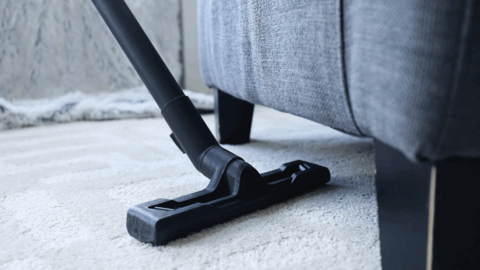
- Regular Vacuuming : Remove dust and debris to reduce wear and prevent dirt from embedding in fibers. Use upholstery attachments and vacuum weekly or more frequently in high-traffic areas.
- Immediate Stain Treatment : Quick action prevents stains from setting and becoming permanent. Keep cleaning supplies handy for emergencies.
- Use of Fabric Protectants : Apply protectants that repel spills and simplify cleaning. Reapply protectants as recommended by the manufacturer.
- Rotate Cushions and Pillows : Regularly rotate and flip cushions to ensure even wear and maintain shape.
- Limit Sun Exposure : Prolonged exposure to direct sunlight can fade fabrics and weaken fibers. Use curtains or blinds to protect upholstery.
When to Hire Professionals
Call professionals when stains or odours persist, or when fabric appears dull despite care. They can perform deep cleaning safely and restore your upholstery’s appearance. Professional cleaners have access to specialized equipment and cleaning agents that are not available to consumers, enabling them to tackle tough stains and deeply embedded dirt.
- Signs of Set-In Stains : Persistent marks that home methods can’t remove, often requiring steam cleaning or chemical treatments.
- Persistent Odors : Odours that don’t respond to deodorizing and vacuuming, often caused by pet accidents or smoke.
- Dull Appearance Despite Regular Care : Professional cleaning can restore texture and colour, revitalizing worn fabrics.
- Allergy Concerns : Deep cleaning removes allergens such as dust mites and pet dander, improving indoor air quality.
The Carpet Monkeys provides specialist carpet and upholstery cleaning focused on stain removal and fabric care, ensuring your furniture looks and feels like new. The Carpet Monkeys team is dedicated to delivering exceptional results and customer satisfaction with every cleaning service.
How Do Different Cleaning Methods Target Various Stain Types?
Match the cleaning approach to the stain category for best results. Understanding the nature of the stain helps in selecting the most effective treatment:
Water-Based Stains
Water-based stains (beverages, juice, coffee) usually respond well to a mild detergent and blotting, followed by rinsing. Prompt treatment prevents the stain from setting and becoming permanent.
Oil-Based Stains
Oil-based marks (grease, makeup, cooking oils) require a solvent-based cleaner applied to a cloth and dabbed carefully to dissolve the oils without spreading the stain. Avoid water-based cleaners initially as they can set the oil.
Biological Stains
Food and pet stains work best with enzymatic cleaners that break down organic matter. Follow product directions carefully, allowing sufficient dwell time for enzymes to act before rinsing.
Set-In Stains
Set-in soils often require steam cleaning or professional extraction for thorough removal. These stains have penetrated deeply into fibers and may not respond to surface cleaning.
Delicate Fabrics
Use minimal moisture, gentle cleaners, and the least agitation possible on delicate materials to avoid damage. Spot test and consider professional cleaning for valuable or fragile upholstery.
Which Fabric Cleaning Methods Are Best for Delicate Upholstery?
Take precautions to avoid colour loss and fabric damage when cleaning delicate upholstery. Delicate fabrics such as silk, linen, or antique textiles require special care:
- Colorfastness Testing : Test a hidden area before cleaning to ensure the fabric does not bleed or fade.
- Minimal Agitation Techniques : Use soft cloths and light motions to clean without stressing fibers.
- Use of Mild, pH-Neutral Cleaners : Avoid harsh chemicals that can weaken or discolor delicate fabrics.
- Professional Expertise : Consult a specialist for fragile or valuable fabrics to avoid irreversible damage.
How Can Professional Upholstery Stain Removal Enhance Fabric Longevity?
Professionals use equipment and treatments that remove deep soils and allergens, and can apply protective finishes that reduce future staining and wear. Their expertise ensures that cleaning is thorough yet gentle, preserving the fabric’s texture and color. Additionally, professional cleaning can extend the life of your upholstery by preventing fiber breakdown caused by dirt and grime accumulation.
What Advantages Do Professional Services Offer Over DIY Cleaning?
Professional services deliver deeper cleaning and tailored approaches that DIY methods typically cannot match. Here are some key benefits:
- Deep Cleaning Capability : Industrial equipment accesses soils beneath the surface, removing embedded dirt and allergens.
- Targeted Techniques : Methods matched to fabric and stain type ensure effective and safe cleaning.
- Health Benefits : Reduced allergens and bacteria contribute to a healthier home environment.
- Time and Effort Savings : Professionals handle the entire process efficiently, saving you time and effort.
Weigh cost against the need for thorough cleaning and access to specialised equipment when deciding between DIY and professional services.
How Does The Carpet Monkeys Ensure Quality and Customer Satisfaction?
The Carpet Monkeys follow defined quality practices, protect fabrics during cleaning, and use client feedback to improve service and results. Their technicians are trained in the latest cleaning technologies and fabric care techniques. They also provide transparent pricing and detailed consultations to tailor services to each customer’s needs, ensuring satisfaction and long-lasting upholstery care. Choosing The Carpet Monkeys means trusting a team committed to excellence and your furniture’s best care.
What Are Practical Fabric Upholstery Cleaning Tips for Homeowners?
Simple, consistent care preserves upholstery between professional cleanings. Incorporate these habits into your routine to maintain fabric beauty and durability:
- Regular Vacuuming : Weekly vacuuming removes abrasive dust and prevents soil buildup.
- Immediate Stain Treatment : Act quickly with appropriate methods to prevent stains from setting.
- Use of Fabric Protectants : Apply protectants to repel spills and simplify cleaning.
- Rotate Cushions : Rotate and flip cushions regularly to ensure even wear.
- Control Environment : Maintain moderate humidity and avoid direct sunlight to protect fabric fibers.
How Often Should Upholstery Be Cleaned to Prevent Stains?
As a guideline, schedule cleaning every 6–12 months and more often for high-traffic pieces. Regular professional cleaning complements routine home care and addresses deep-seated dirt and allergens that vacuuming cannot remove.
Which Eco-Friendly Cleaning Solutions Are Safe for Upholstery?
Gentle, plant-based cleaners, a mild vinegar-and-water solution for light cleaning, and baking soda for deodorizing are safe options when tested first. These solutions minimize chemical exposure and environmental impact while effectively maintaining upholstery cleanliness.
Frequently Asked Questions
What are the best practices for preventing stains on upholstery?
Vacuum regularly, apply fabric protectants, blot spills immediately, and avoid prolonged sun exposure. Using slipcovers or throws in high-use areas can also protect upholstery.
How can I test for colorfastness before cleaning upholstery?
Dab the cleaning solution on a clean white cloth and test an inconspicuous area; no transfer indicates likely colourfastness. Wait for the test spot to dry and check for any color change or damage.
What should I do if my upholstery has a persistent odor?
Vacuum thoroughly, sprinkle baking soda and leave overnight, then vacuum again. If the odor remains, try an enzymatic cleaner or seek professional treatment to eliminate deep-seated smells.
Are there specific cleaning methods for pet stains on upholstery?
Blot excess moisture, apply an enzymatic cleaner according to instructions, then rinse and dry to remove both stain and odor. Prompt treatment prevents damage and lingering smells.
How can I maintain the appearance of my upholstery between professional cleanings?
Vacuum weekly, treat spills promptly, rotate cushions, use protectants, and limit sun exposure. Regular maintenance preserves fabric integrity and appearance.
What are the signs that my upholstery needs professional cleaning?
Persistent stains, lingering odors, dull appearance, or allergy concerns indicate it’s time to call a professional. Also consider professional cleaning if you notice fabric wear or if it has been over a year since the last deep cleaning.
Conclusion
Effective stain removal and routine care keep upholstery attractive and serviceable. Use fabric-appropriate methods, test before treating, and consult professionals for persistent or difficult problems. By combining timely spot cleaning, regular maintenance, and professional expertise when needed, you can extend the life of your upholstery and maintain a healthy, beautiful living environment.