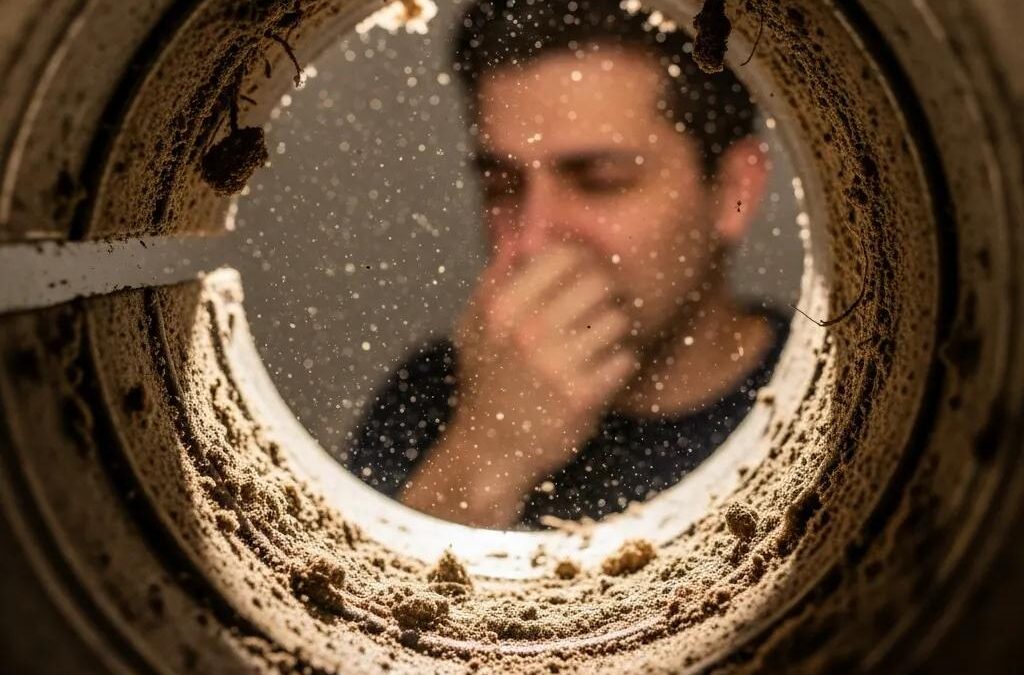
Dust in air ducts lowers indoor air quality and can harm occupants. HVAC systems spread particles, allergens, and microbes that aggravate respiratory and allergic conditions. This article summarizes the main health risks, the benefits of routine duct and carpet cleaning, and how professional services improve indoor environments for homes and businesses.
Multiple studies consistently document the substantial impact of dust on human health, with a pronounced link to respiratory disease.
Dust’s Major Impact on Human Health & Respiratory Diseases
Poor environmental conditions cause serious human health problems such as skin diseases, respiratory diseases, hearth diseases, stomach and lungs cancer, etc., which can lead to death. Dust is made of fine particles of solid matter, these dust particles are different pollutants, which come from both natural and anthropogenic sources and show different results in atmosphere and then in human health simultaneously. Human exposed by dust in three ways ingesting, resuspended dust particle inhalation, and dermal absorption. Different research work performed in different areas to examine the dust relation with human health, on the bases of published data on dust and human health I concluded that dust is the major cause of almost all serious health problems (skin, eye, heart, stomach and respiratory diseases, etc.), which can lead to death.
Dust effects and human health, T Ali, 2023
Understanding Risks and Cleaning Benefits
Dust in ducts raises exposure to allergens, mold spores, and bacteria; routine cleaning lowers that exposure and supports occupant health in residential and commercial settings.
What Are the Health Risks Associated with Dust in Air Ducts?
Dust in ducts can cause or worsen health problems, notably in susceptible people. The main risks are:
- Respiratory Issues: Particles irritate airways, contributing to asthma, bronchitis and similar conditions.
- Allergy Symptoms: Dust mites and related allergens trigger sneezing, congestion, and itchy eyes.
- Vulnerable Populations: Children, older adults, and immunocompromised people are at higher risk.
Scheduled duct cleaning reduces exposure and helps protect occupant health.
Which Respiratory Conditions Can Dust in Air Ducts Cause?
Accumulated dust can aggravate existing respiratory conditions and provoke new symptoms. Key concerns include:
- Asthma Triggers: Increased wheeze and breathlessness during exposure.
- Allergic Reactions: Pronounced responses such as breathing difficulty and skin irritation.
- Chronic Respiratory Issues: Long-term exposure may worsen chronic disease progression.
Cleaning and control measures can reduce symptoms and improve daily functioning.
How Do Dust Allergens Affect Indoor Air Quality and Health?
Dust-borne allergens lower indoor air quality and affect occupants in measurable ways. Common impacts:
- Circulation of Allergens: Particles spread allergens through the building.
- Health Implications: Poor air quality can provoke respiratory symptoms and reduce wellbeing and productivity.
- Importance of Cleaning: Regular duct cleaning reduces allergen circulation and improves air quality.
Keeping ducts clean is a practical step to protect occupants and improve environmental quality.
How Does Professional Carpet Cleaning Improve Indoor Air Quality?
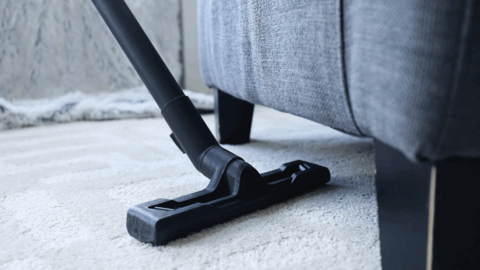
Professional carpet cleaning removes embedded dust and allergens from fibers, reducing a major indoor reservoir of particulates. Primary benefits include:
- Allergen Reduction: Deep methods extract dust and allergens that vacuuming misses.
- Odor Elimination: Trapped odors are removed for a fresher indoor atmosphere.
- Extended Carpet Lifespan: Regular maintenance preserves fibers and delays replacement.
Carpet cleaning is an effective part of a broader indoor air quality strategy.
In What Ways Does Carpet Cleaning Reduce Dust and Allergens?
Targeted removal techniques and validated processes reduce dust reservoirs and limit what becomes airborne.
- Deep Cleaning Techniques: Steam and hot water extraction pull embedded particles from fibers.
- Impact on Air Quality: Removing trapped dust lowers airborne particulate matter.
- Health Benefits: Consistent cleaning can reduce allergy symptoms and related respiratory complaints.
Regular carpet maintenance supports a healthier indoor environment.
What Are the Proven Benefits of Carpet Cleaning for Respiratory Health?
Carpet cleaning offers documented respiratory benefits:
- Reduction of Allergens: Routine cleaning lowers allergen levels in carpets.
- Improved Indoor Air Quality: Cleaner carpets reduce airborne particulates.
- Odor Removal: Removing odors improves perceived air quality and comfort.
These outcomes make carpet cleaning a useful preventive measure.
What Are the Signs That Air Ducts and Carpets Need Cleaning?
Watch for clear indicators that prompt cleaning is needed:
- Visible Dust Accumulation: Dust on vents and nearby surfaces.
- Increased Allergy Symptoms: A rise in sneezing, congestion or eye irritation.
- Unusual Odors: Persistent or foul smells from vents or carpets.
Responding to these signs reduces prolonged exposure to contaminants.
How Can You Identify Dust Allergy Symptoms Related to Air Duct Contamination?
Recognizing symptoms tied to ducts helps prompt intervention. Typical signs include:
- Increased Allergy Symptoms: Sneezing, runny nose, itchy eyes.
- Respiratory Issues: New or worsening difficulty breathing or wheeze.
- Visible Dust Accumulation: Dust around vents supporting suspected sources.
Early recognition supports faster remediation and improved air quality.
When Should You Schedule Professional Air Duct and Carpet Cleaning?
Timing depends on use, sensitivity, and environment. General guidance and triggers:
- General Recommendations: Many authorities advise cleaning every 3–5 years, adjusted to conditions.
- Frequency Based on Conditions: Homes with pets, smokers, or high dust may need more frequent service.
- Post-Event Cleaning: After renovations or dust-generating activities, schedule cleaning promptly.
Following these guidelines helps maintain air quality and reduce health risks.
What Are the Benefits of Regular Air Duct Cleaning for Health?
Regular duct cleaning in Las Vegas yields health and environmental benefits, notably:
- Reduction of Allergens: Removes settled dust and allergens that worsen symptoms.
- Improved Indoor Air Quality: Reduces airborne contaminant circulation.
- Prevention of Mold Growth: Lowers conditions that favor mold, reducing related health risks.
Scheduled maintenance supports occupant health and comfort.
Additionally, modelling and epidemiological studies have shown that high-efficiency in-duct cleaning can produce measurable public health benefits, including reductions in severe respiratory events.
In-Duct Air Cleaning Reduces Asthma Attacks & Premature Deaths
If the entire population of single-family homes with central AC in the modeling domain converted from conventional filtration to high-efficiency in-duct air cleaning, the change in ambient PM2.5exposure is estimated to result in an annual reduction of 700 premature deaths, 940 hospital and emergency room visits, and 130,000 asthma attacks in these metropolitan areas. In addition to controlling emissions from sources, high-efficiency whole-house air cleaner are expected to reduce e
The benefits of whole-house in-duct air cleaning in reducing exposures to fine particulate matter of outdoor origin: a modeling analysis, M Kaufman, 2010
How Does Air Duct Cleaning Reduce Dust Contamination Effects?
Professional duct cleaning removes settled dust and verifies results. Main mechanisms include:
- Health Improvements: Removing dust and allergens can reduce symptom frequency and improve comfort.
- Cleaning Process: Inspecting and removing contaminants restores a cleaner air pathway.
- Long-Term Benefits: Regular cleaning supports sustained indoor air quality improvements.
Clear processes and industry standards help ensure measurable benefits for occupants.
What Guarantees and Quality Standards Should You Expect from Cleaning Services?
When hiring a provider, confirm certifications, scope, and guarantees to secure a professional outcome.
- Certifications: Choose certified providers that follow recognized industry standards.
- Service Expectations: Verify what the service includes and any satisfaction guarantees.
- Customer Rights: Know your remedies for unsatisfactory work and any warranty terms.
These checks protect your investment in indoor air quality.
Frequently Asked Questions
What are the long-term effects of dust exposure on health?
Long-term dust exposure can contribute to chronic respiratory conditions (for example asthma and chronic bronchitis), cause lung inflammation, and reduce lung function over time. Vulnerable groups are at higher risk. Regular duct and carpet cleaning help limit these risks.
How can I tell if my air ducts are contaminated?
Signs include visible dust at vents, a persistent musty or unusual odor from the HVAC system, and increased allergy symptoms. If rooms feel stale despite ventilation, ducts may be circulating dust; a professional inspection can confirm and recommend action.
Are there specific cleaning methods recommended for air ducts?
Recommended techniques include HEPA-equipped vacuuming, rotary brush cleaning to dislodge settled material, and controlled compressed air to remove debris. Professionals often combine methods to maximize removal while avoiding duct damage.
What should I look for in a professional cleaning service?
Look for valid certifications, clear estimates, documented experience, and customer feedback. Ask about methods, equipment, and any satisfaction guarantees before hiring.
How often should I have my air ducts cleaned?
Typical guidance is every 3–5 years, but adjust for pets, smoking, high dust, or increased allergy symptoms. Visible buildup or renovations are reasons to clean sooner.
Can air duct cleaning help with odors in my home?
Yes. Cleaning removes dust, mold and contaminants that contribute to persistent odors. Combine cleaning with moisture or mold remediation when needed for lasting results.
What are the benefits of using high-efficiency air filters?
High-efficiency filters capture finer particles—such as fine dust, pollen and pet dander—that standard filters miss, reducing particulate load in ducts, lowering airborne allergens, and supporting HVAC performance.
Conclusion
Regular maintenance of air ducts and carpets reduces allergens, improves air quality, and protects occupant health. Scheduled professional cleaning mitigates respiratory risks and enhances comfort. Prioritize maintenance and choose qualified providers to achieve measurable indoor air quality improvements.