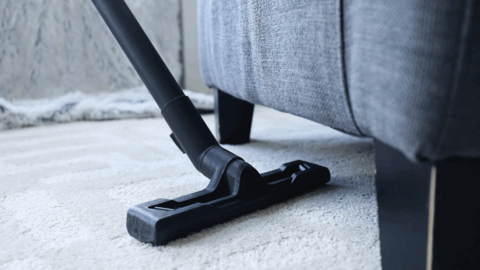

Upholstery cleaning plays a crucial role in maintaining healthier indoor environments in Las Vegas homes by effectively removing accumulated dust, allergens, stains, and odors. These contaminants tend to build up rapidly in the city’s characteristic dry and dusty climate, potentially affecting both comfort and health. This comprehensive guide outlines professional upholstery cleaning techniques, their significant benefits, eco-friendly alternatives, and a detailed cleaning process to empower homeowners to make informed decisions about when and how to hire professional cleaning services.
Importance of Professional Upholstery Cleaning
Engaging in professional upholstery cleaning is vital for several reasons beyond just aesthetics. It preserves the appearance and structural integrity of furniture, extending its usable life and protecting your investment. More importantly, professional cleaning contributes to improved indoor air quality by thoroughly removing accumulated dust, allergens like pet dander and pollen, and microorganisms such as bacteria and mold spores that can lodge deeply within upholstery fibers. These factors, if left unchecked, can aggravate respiratory conditions and allergy symptoms, a frequent concern in the Las Vegas area where airborne particles are prevalent. The Carpet Monkeys offer specialized upholstery cleaning services designed to address these unique local challenges, ensuring that homes not only look cleaner but also support overall health and comfort.
Cleaning Methods and Techniques
Choosing the right cleaning method depends heavily on the type of fabric, the soil and stain severity, and the condition of the upholstery. The two primary professional upholstery cleaning approaches are steam cleaning and dry cleaning, both of which can be enhanced when combined with eco-friendly products to minimize environmental impact and health risks.
- Steam Upholstery Cleaning: This method utilizes high-temperature steam to penetrate and loosen soils, allergens, and bacteria embedded deep within upholstery fibers. Professional-grade extraction equipment then removes moisture along with loosened stains and odors efficiently, without relying on harsh chemicals. Steam cleaning also sanitizes the fabric, effectively neutralizing dust mites and minimizing odors, thereby supporting a fresher indoor environment suitable especially for allergy-sensitive individuals.
- Dry Upholstery Cleaning: Employing solvent-based cleaning systems, this technique targets soil removal with minimal moisture application. It is ideal for delicate fabrics that may be damaged by water or extended drying times. Dry cleaning reduces the risk of water-related damage such as shrinking, color bleeding, or distortion and enables quicker reuse of furniture, which is beneficial for busy households or commercial settings requiring fast turnarounds.
Integrating green cleaning agents — often made from natural, biodegradable ingredients — with these techniques provides additional benefits, such as reduced volatile organic compounds (VOCs) and safer residues that protect indoor air quality and occupant health.
How Does Steam Upholstery Cleaning Restore Fabric and Improve Air Quality?
Steam penetrates the fabric’s fibers deeply, loosening embedded soils, allergens, microorganisms, and microbes. Once loosened, these contaminants are extracted using specialized equipment designed to remove moisture and residues promptly and effectively. This method not only cleans but also sanitizes the upholstery surface, neutralizing dust mites — a common allergen source — and reducing unpleasant odors caused by bacteria and everyday use. The result is a visibly cleaner fabric and an indoor environment with significantly improved air quality, which is especially important in allergy-prone households.
What Are the Benefits of Dry Upholstery Cleaning Techniques?
Dry upholstery cleaning employs specialized chemical solvents that target soils without soaking the fabric. This approach prevents problems related to moisture, such as mold growth or fabric warping, making it especially suited to delicate upholstery materials or pieces with coatings sensitive to water. Additionally, because moisture exposure is minimal, fabrics dry quickly—often immediately—allowing furniture to be used with little downtime, a major convenience for homes and businesses. This method also offers effective stain removal for a variety of common contaminants, provided pre-treatment is properly applied.
How Do Eco-Friendly Upholstery Cleaning Solutions Benefit Las Vegas Residents?
Eco-friendly cleaning products are formulated using natural ingredients that limit or eliminate harsh chemicals, harmful fumes, and residues traditionally associated with conventional cleaning agents. Using these green alternatives helps reduce indoor air pollutants such as VOCs, making the home environment safer for children, pets, and individuals with chemical sensitivities. In addition to protecting family health, these sustainable cleaning options contribute to environmental responsibility by being biodegradable, packaged in recyclable materials, or both. For Las Vegas homeowners committed to green living, choosing professional services like The Carpet Monkeys’ eco-friendly upholstery cleaning not only supports personal wellness but also aligns with broader sustainability values.
Step-by-Step Cleaning Process
Professional upholstery cleaning is methodical and precise, following a sequence designed to maximize cleaning effectiveness while safeguarding fabric integrity:
- Assessment: The technician begins by inspecting the fabric type, existing condition, and specific stains to determine the safest and most effective cleaning method. This step is crucial to prevent damage and tailor treatments.
- Pre-Treatment: Specialized pre-treatment solutions are carefully applied to targeted areas with set-in soils or stubborn stains to help break down contaminants before full cleaning.
- Cleaning Application: Depending on the previous assessment, either steam or dry cleaning methods are employed using professional-grade equipment and environment-friendly cleaning solutions. The technician ensures thorough fabric penetration and soil removal.
- Rinsing and Extraction: For steam cleaning, the process includes extracting moisture, dissolved soils, and residues efficiently to speed drying times and avoid fabric saturation or damage.
- Drying: After cleaning, proper drying is essential. Techniques such as high airflow, dehumidification, and controlled temperature accelerate drying time, helping to preserve the furniture’s structure and usability while avoiding mildew or odors.
Adhering to these steps ensures the furniture’s aesthetic appeal is restored while significantly improving hygiene and indoor environmental quality.
Eco-Friendly Solutions
Green cleaning products used in professional upholstery cleaning substantially reduce the environmental footprint of the process without compromising cleaning power. These formulations prioritize natural and biodegradable ingredients combined with responsible manufacturing and packaging practices. Key benefits include:
- Safety for Families: Lower toxicity and absence of harsh chemicals lessen health risks, particularly for children, pets, and those with chemical sensitivities.
- Healthier Indoor Air Quality: The reduction of VOCs and chemical residues leads to cleaner air post-cleaning, enhancing occupant comfort and respiratory health.
- Sustainability: Many eco-friendly products biodegrade naturally and employ recyclable or reduced packaging, supporting environmental conservation efforts.
Choosing eco-friendly upholstery cleaning is a practical and health-conscious decision for homeowners looking to maintain clean furniture while minimizing environmental impact.
Factors Influencing Cost
The cost of professional upholstery cleaning services varies depending on several key factors, including material type, upholstery size, and the complexity of stains. Understanding these can help homeowners budget and select appropriate service levels.
| Factor | Description | Impact on Cost |
|---|---|---|
| Upholstery Type | Different materials require specific care and cleaning techniques, for example, leather, silk, or synthetic microfibers. | High |
| Size of the Area | Larger upholstery or multiple pieces increase the time, labor, and supplies needed for effective cleaning. | Medium |
| Stain Removal | The difficulty and number of stains, especially stubborn or set-in types, require advanced treatments that raise costs. | Medium |
Being aware of these factors allows homeowners to anticipate pricing accurately and choose tailored services that fit their budget and needs.
When to Schedule Professional Cleaning
Knowing the optimal times to schedule upholstery cleaning can prolong furniture life and maintain a healthy living environment. It is advisable to arrange professional cleaning under the following circumstances:
- Presence of noticeable stains or discolorations that affect furniture appearance.
- Persistent or unpleasant odors that affect indoor air quality.
- Worsening allergy symptoms or respiratory discomfort indicating allergen buildup.
- Regular intervals, typically every 12 to 24 months, for preventive maintenance.
- Households with pets, children, or heavy furniture usage, which tend to accumulate dirt and allergens faster.
Regular cleaning not only keeps upholstery looking fresh but also reduces the risk of damage caused by accumulated soils and extends furniture lifespan.
Frequently Asked Questions
1. How often should I have my upholstery professionally cleaned?
It is commonly recommended to clean upholstery professionally every 12 to 24 months. However, homes with pets, children, or heavy foot traffic may benefit from more frequent cleaning — sometimes every 6 to 12 months — to effectively control allergens, odors, and stains and maintain fabric condition.
2. Are eco-friendly upholstery cleaning solutions as effective as traditional methods?
Yes. Modern eco-friendly products are formulated to clean effectively while reducing harmful emissions and residues associated with conventional chemicals. Many green cleaning agents use enzymes, plant-based detergents, and biodegradable solvents that rival traditional cleaners in performance without compromising safety.
3. Can professional upholstery cleaning remove all types of stains?
Professional cleaning can significantly reduce or remove most common stains, including dirt, food, pet accidents, and some ink marks. Some very old, set-in, or chemically altered stains may only be partially removable. The final results depend on factors such as fabric type, stain nature, and treatment timeliness.
4. What should I do to prepare my upholstery for professional cleaning?
Before the cleaning appointment, remove loose items such as cushions, blankets, and decor, vacuum surfaces to reduce loose dirt, and mark persistent stains to alert the technician for focused treatment. Clearing the surrounding area also facilitates equipment setup and movement, ensuring an efficient process.
5. Is it safe to use steam cleaning on all types of upholstery?
Many upholstery fabrics can tolerate steam cleaning safely, but delicate materials like silk, velvet, or some synthetic blends may be sensitive to heat and moisture, risking color bleeding or fiber damage. Always check manufacturer labels or consult with a professional before using steam cleaning on delicate fabrics.
6. How long does it take for upholstery to dry after professional cleaning?
The drying time depends on the cleaning method and environmental conditions. Steam-cleaned upholstery often dries within 4 to 6 hours under good ventilation and temperature, while dry-cleaned items generally allow immediate or near-immediate use. To avoid damage or odors, it is advisable to limit heavy use for up to 24 hours post-cleaning.
7. Can I clean my upholstery myself, or should I always hire a professional?
Routine spot cleaning and vacuuming are appropriate for regular maintenance of upholstery. However, professionals possess specialized equipment, cleaning agents, and expertise to perform deep cleaning, remove tough stains, and conduct restorative care that typical home methods cannot achieve—especially important for heavily soiled or high-value pieces.
Additional Tips for Maintaining Upholstery Between Professional Cleanings
Maintaining upholstery between professional services maximizes its lifespan and appearance. Consider incorporating these practices into your regular home care routine:
- Frequent Vacuuming: Use a soft brush attachment weekly to remove surface dust and dirt.
- Prompt Stain Treatment: Address spills immediately with gentle blotting using appropriate cleaners or water to prevent set-in stains.
- Rotation of Cushions: Rotate and flip removable cushions regularly to distribute wear evenly.
- Protective Covers: Use washable slipcovers or armrest protectors in high-use areas, especially if you have children or pets.
- Avoid Direct Sunlight: Prolonged exposure to direct sun can fade fabric colors and weaken fibers. Use curtains or blinds to reduce exposure.
- Control Indoor Humidity: Using dehumidifiers in humid periods can prevent mold growth on upholstery.
Implementing these measures can reduce frequent cleaning needs and extend the aesthetic and functional value of your furniture.
Conclusion
Professional upholstery cleaning is more than a cosmetic upgrade—it is an essential element of home health maintenance in the dry, dusty Las Vegas environment. By removing allergens, stains, and odors, it enhances indoor air quality, preserves furniture life, and reinvigorates home aesthetics. With growing awareness of environmental concerns and health, eco-friendly cleaning methods offered by trusted providers like The Carpet Monkeys provide effective, safe, and sustainable options that benefit families and the planet alike. Homeowners are encouraged to consider regular professional upholstery cleaning as a vital investment in their comfort, wellbeing, and home’s value.