By Ricardo Torres, The Carpet Monkeys
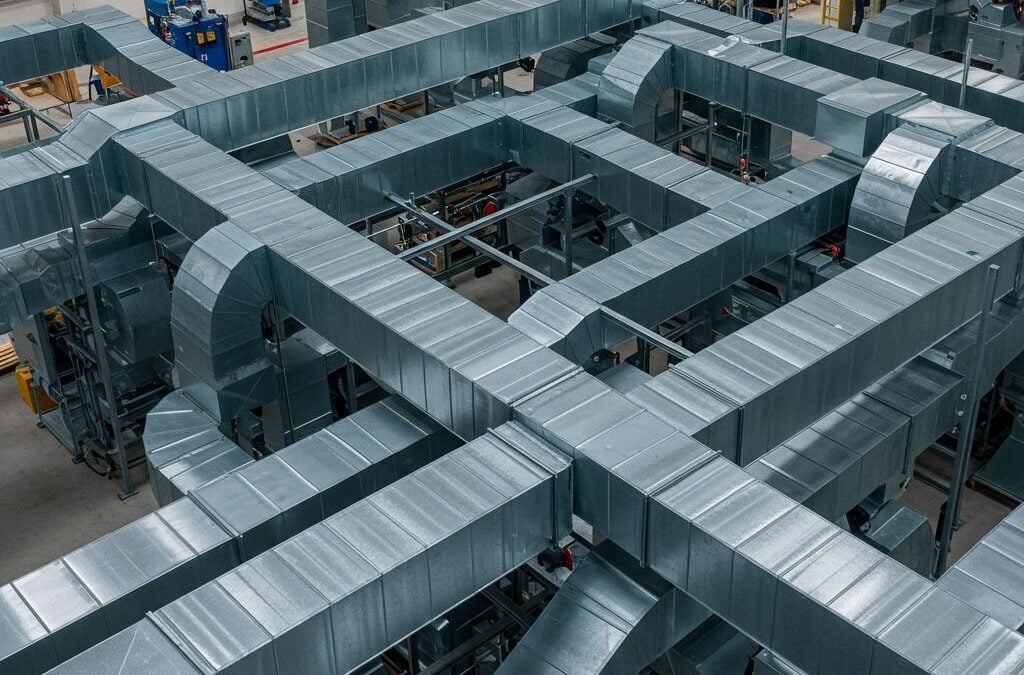
Air ducts play a fundamental role in maintaining indoor air quality and comfort within homes and commercial buildings. Despite their importance, these systems often go overlooked during routine cleaning and maintenance, which can lead to a variety of serious problems over time. When neglected, contaminated air ducts can create significant health risks, exacerbate allergies, and substantially increase energy consumption. This comprehensive article explores the five major dangers associated with long-term air duct neglect and offers practical advice homeowners and facility managers can use to safeguard their health and reduce costs.
The five severe problems caused by the long-term neglect of air ducts include:
- Respiratory Issues: Accumulated dust, pollen, pet dander, and other airborne allergens trapped inside neglected ducts can aggravate asthma symptoms and other breathing conditions, leading to increased health complications among occupants, especially vulnerable populations such as children, the elderly, and those with pre-existing respiratory illnesses.
- Allergy Symptoms: Dust mites and other microscopic organisms often breed in contaminated ducts, exacerbating allergic reactions such as sneezing, coughing, runny noses, and itchy eyes. The persistent circulation of these allergens can significantly reduce overall indoor air quality.
- Mold Growth: Moisture accumulation inside air ducts creates an ideal environment for mold and mildew. Mold spores released into the airflow can trigger coughing, wheezing, and eye or throat irritation, and in severe cases, prolonged exposure can lead to infections or chronic respiratory problems.
- Increased Energy Costs: Blockages caused by dust, debris, or biological growth restrict airflow and force HVAC systems to work harder to regulate indoor temperatures. This inefficiency leads to higher utility bills and accelerates system wear and tear, sometimes necessitating costly repairs or early replacements.
- Sick Building Syndrome: Poor indoor air quality from neglected air ducts can contribute to a range of nonspecific symptoms experienced by building occupants, including headaches, fatigue, dry skin, and difficulty concentrating. This syndrome negatively impacts productivity and overall well-being.
Understanding these risks underscores the importance of regular duct maintenance to help minimize health problems, improve HVAC efficiency, and reduce long-term costs.
What Are the Most Serious Consequences of Dirty Air Ducts?
Air ducts that are not maintained properly begin to accumulate layers of dust, dead skin cells, pet dander, pollen, and other contaminants over time. These pollutants constantly circulate through your indoor environment, severely reducing air quality and aggravating respiratory conditions. For individuals with asthma, chronic obstructive pulmonary disease (COPD), or allergies, this contaminated air can trigger symptoms ranging from mild discomfort to emergency breathing difficulties.
Beyond health effects, dirty air ducts impair the efficiency of HVAC systems by restricting airflow and causing uneven heating or cooling. This leads to higher energy use and increased wear on equipment, which not only raises operating costs but also shortens the lifespan of costly HVAC components.
Routine duct cleaning and inspection help preserve HVAC performance, maintain consistent airflow, and create a healthier living environment. These steps yield long-term savings and minimize the risk of costly emergency repairs.
How Does Mold Growth in Air Ducts Affect Health and HVAC Efficiency?
The presence of mold in air ducts is a serious concern. Mold thrives in moist, dark environments such as those sometimes found inside poorly maintained ductwork. Once mold colonies establish, they release spores into the circulated air. Inhalation of these spores can cause allergic reactions, respiratory irritation, and exacerbate conditions such as asthma and bronchitis. For immunocompromised individuals, exposure may also lead to potentially dangerous infections.
In addition to the health implications, mold growth negatively impacts HVAC performance. Mold and associated biofilms can accumulate on duct surfaces, reducing the cross-sectional area available for airflow. This obstruction impedes efficient heat exchange processes within heating and cooling components, causing systems to consume more energy to maintain desired indoor conditions.
Mold Growth, Humidity & Indoor Air Quality in Buildings
Educational buildings in hot, humid climates often experience elevated indoor humidity that promotes mold growth and undermines occupant well‑being. These conditions can persist even with high mechanical ventilation rates. Researchers have conducted detailed analyses of classroom environments, measuring mechanical ventilation performance alongside humidity, mold proliferation, and CO2 levels. Effective prevention of mold and maintenance of acceptable indoor air quality in such settings require targeted ventilation strategies combined with comprehensive moisture control measures. — A Alaidroos, 2023
Timely professional inspections and mold remediation within air ducts are essential to control moisture buildup and minimize exposure to airborne spores, thereby maintaining both occupant health and system efficiency.
What Air Duct Blockage Problems Reduce Indoor Airflow and Increase Energy Costs?
Blockages within air ducts restrict airflow and cause HVAC systems to function inefficiently. When ducts become clogged with dust, construction debris, or biological contaminants, the reduced airflow leads to uneven temperature distribution and forces equipment to run longer cycles to achieve the desired indoor climate.
Common sources of duct blockage include:
- Mold: Not only a health hazard, mold physically narrows duct passages and promotes obstruction.
- Construction Debris: Renovations or repairs can leave behind dust and particulates that accumulate if ducts are not sealed or cleaned afterward.
- Pests and Vermin: Rodents, insects, or birds sometimes nest inside ducts, depositing droppings and other debris that severely limit airflow.
Proactive duct inspections and routine cleaning are vital to identifying and removing such blockages, restoring proper airflow and improving energy efficiency.
How Can Signs of Neglected Duct Cleaning Help Identify Urgent Issues?
Detecting early signs of air duct neglect enables homeowners to address problems before they worsen. Being vigilant for these indicators helps prevent health issues and higher energy costs.
- Visible Dust Accumulation: Dust buildup around vent grilles often signifies internal contamination and inadequate filtration.
- Increased Allergy Symptoms: Worsening allergy attacks or respiratory discomfort inside the home may point to airborne irritants circulated by dirty ducts.
- Unusual Odors: Persistent musty or moldy smells emanating from vents often indicate microbial growth inside ductwork.
- Higher Energy Bills: Unexplained increases in heating or cooling costs may result from system inefficiency caused by airflow restrictions.
- Uneven Airflow: Inconsistent temperature or airflow across rooms could be a symptom of internal duct blockages or leaks.
Observing these signs triggers timely professional assessment, reducing both health risks and costly repairs.
Which Common Symptoms Indicate Air Duct Contamination Effects?
Prolonged exposure to contaminated indoor air due to neglected ducts can manifest through various non-specific symptoms. The most common manifestations include:
- Frequent Sneezing or Coughing: Continuous exposure to allergens and dust in the air causes persistent respiratory irritation.
- Eye or Throat Irritation: Airborne irritants such as mold spores or volatile organic compounds (VOCs) can lead to redness, itchiness, or soreness.
- Fatigue or Headaches: Poor air quality is linked to headaches, lack of concentration, and tiredness, negatively affecting daily life and productivity.
Any of these symptoms, particularly when they improve upon leaving the building, warrant a thorough inspection of air ducts and indoor air quality.
When Should You Schedule Professional Air Duct Inspection?
Proactive scheduling of professional air duct inspections is essential for maintaining healthy indoor air and efficient HVAC performance. It is generally recommended to:
- Arrange an inspection every 3 to 5 years as part of routine home maintenance.
- Schedule more frequent inspections if you have pets, live in a dusty or high-pollen environment, or occupants exhibit worsening allergy symptoms.
- Request immediate assessment if you notice visible mold growth, persistent odors, increased dust, or rising energy bills.
By adhering to these guidelines, property owners can reduce health risks and extend HVAC system lifespan.
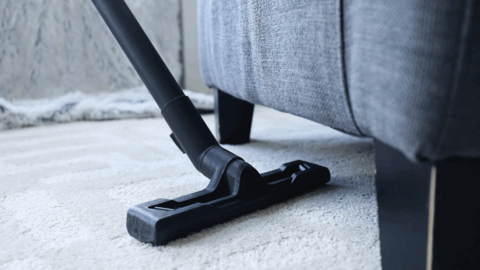
In What Ways Does Carpet Cleaning Support Improved Indoor Air Quality?
Carpets can harbor large quantities of dust, allergens, and microorganisms deep within their fibers. Over time, these contaminants can become airborne, contributing to indoor air pollution and aggravating respiratory ailments. Professional carpet cleaning plays a key role in improving indoor environments by:
- Allergen Reduction: Removing dust mites, pollen, pet dander, and other particles trapped in carpet fibers.
- Improved Air Quality: Reducing particulate matter that might otherwise be disturbed and circulated through HVAC systems during normal household activity.
- Odor Elimination: Neutralizing unpleasant smells caused by mold growth, pet urine, or accumulated dirt.
For allergy-sensitive households, regular professional carpet cleaning complements duct maintenance and promotes comfort and well-being.
How Does Carpet Dust Removal Complement HVAC Duct Cleaning?
Dust and allergens can transfer between carpets and air ducts via circulation patterns. When dust-laden carpet fibers release particles, these may enter the HVAC system and accumulate within ducts if not cleaned, perpetuating the contamination cycle.
- Dust Transfer: Carpet dust, when cleaned regularly, is prevented from entering ductwork, reducing overall indoor allergen levels.
- Cumulative Dust Reduction: Coordinated cleaning of both carpets and air ducts ensures a substantial decrease in airborne allergen concentrations and promotes healthier indoor air.
Together, these services provide a holistic approach to maintaining high indoor air quality by targeting multiple pollutant reservoirs within a property.
Why Choose Professional Carpet Cleaning to Reduce Indoor Allergens?
Professional carpet cleaning utilizes specialized equipment and cleaning agents designed to reach deep into carpet fibers, removing embedded dirt and biological contaminants more effectively than standard vacuuming. Benefits include:
- Thorough Removal: Deep extraction improves indoor air by eliminating trapped allergens unreachable by routine cleaning.
- Specialized Treatments: Application of antimicrobial or antifungal agents when needed to address bacteria, mold, and mildew.
- Extended Lifespan: Proper cleaning prevents degradation of carpet fibers caused by accumulated dirt and debris, preserving appearance and function.
Engaging qualified technicians ensures improved indoor air quality and prolongs carpet durability, delivering greater value and healthier living conditions.
How Do You Book Effective Cleaning Services for Air Ducts and Carpets with The Carpet Monkeys?
The Carpet Monkeys offer streamlined, professional cleaning services for both air ducts and carpets. Booking these services is straightforward and designed to accommodate customer schedules and property logistics. The process includes:
- Request a Quote: Contact The Carpet Monkeys via phone or online to receive a tailored estimate based on your specific cleaning needs.
- Schedule the Service: Select a convenient date and time for technicians to perform the service with minimal disruption.
- Prepare Your Home: Clear access to vents, ducts, and carpeted areas to enable efficient and thorough cleaning.
Open communication and preparation ensure technicians can deliver comprehensive cleaning services resulting in healthier indoor air and cleaner living spaces.
What Steps Are Involved in Requesting a Quote and Scheduling?
Securing a precise quote and arranging appointments with The Carpet Monkeys can be accomplished efficiently by following these steps:
- Provide Specific Information: Specify whether you require duct cleaning, carpet cleaning, or both, and describe any unique concerns such as potential mold growth or pet odors.
- Discuss Your Home Size: Offer details about your property’s dimensions, such as number of rooms or approximate square footage, to aid in accurate pricing.
- Prepare Your Schedule: Share preferred dates and times to find the most suitable appointment slots and reduce rescheduling.
These preparations streamline the service booking experience, helping both customers and technicians optimize time and resource allocation.
What Guarantees and Customer Satisfaction Measures Does The Carpet Monkeys Provide?
The Carpet Monkeys demonstrate a firm commitment to quality and customer satisfaction with clear guarantees that support trust and peace of mind. Their policy includes:
- 100% Satisfaction Guarantee: If clients feel their expectations have not been met, The Carpet Monkeys will provide additional services at no extra charge.
- 30-Day Warranty: Any issues identified within 30 days of service completion are promptly addressed without cost to the customer.
- Spot Removal Guarantee: Treated areas with recurring spots are re-cleaned free of charge to ensure lasting results.
These assurances reinforce confidence in service quality and responsiveness to client feedback.
Frequently Asked Questions
What are the health risks associated with neglecting air duct maintenance?
Failure to maintain air ducts leads to accumulation of dust, allergens, and mold, increasing risks of respiratory problems, worsening asthma symptoms, and elevated allergy reactions. Regular inspections and cleaning can mitigate these hazards and promote healthier indoor environments.
How often should air ducts be cleaned for optimal performance?
General recommendations suggest inspecting and cleaning air ducts every 3 to 5 years. Homes with pets, frequent dust exposure, or occupants with allergies may require more frequent servicing. Immediate cleaning is advised if visible mold, excessive dust, or increasing energy costs are observed.
Can neglecting air ducts affect my HVAC system’s lifespan?
Yes. Blockages and contaminants in ducts force HVAC systems to exert additional effort, accelerating wear on mechanical components, potentially leading to premature failures. Keeping ducts clean enhances system efficiency and prolongs equipment durability.
What can I do if I suspect mold growth in my air ducts?
If mold presence is suspected due to visible discoloration or musty odors emanating from vents, it is important to consult certified professionals for assessment and remediation. Proper mold removal ensures safety and prevents health risks associated with airborne spores.
Are there DIY methods for maintaining air ducts?
Homeowners can perform routine maintenance such as regularly replacing HVAC filters, vacuuming vent openings, and keeping return air pathways clear. However, for thorough cleaning or mold remediation, professional services are recommended to ensure effectiveness and prevent damage.
What are the signs that my air ducts need urgent cleaning?
Urgent signs include heavy dust accumulation around vents, increased allergic reactions among occupants, persistent musty odors, inconsistent or weak airflow, and unexpected spikes in energy consumption. These symptoms indicate the need for immediate inspection and potential cleaning.
Additional Strategies for Maintaining Indoor Air Quality
Beyond professional duct and carpet cleaning, several additional strategies can contribute to healthy indoor air:
- Use High-Efficiency Filters: Installing HEPA filters in HVAC systems traps finer particles, improving overall air cleanliness.
- Control Indoor Humidity: Maintaining humidity between 30-50% discourages mold growth and dust mite proliferation.
- Ventilate Regularly: Opening windows or using exhaust fans reduces indoor pollutant buildup, especially during cooking or cleaning activities.
- Avoid Indoor Smoking: Tobacco smoke introduces harmful chemicals and particulate matter that degrade air quality.
- Manage Dust Sources: Frequent dusting and vacuuming with HEPA-filtered vacuums minimizes settled dust reservoirs.
Implementing these measures in conjunction with regular professional cleaning maximizes indoor environmental health and comfort for building occupants.
Conclusion
Maintaining clean air ducts is critical for ensuring healthy indoor air quality, protecting respiratory health, and maximizing HVAC performance. The five key issues arising from neglected ductwork — respiratory problems, allergy flare-ups, mold contamination, increased energy expenses, and sick building syndrome — highlight the urgent need for routine inspection and thorough cleaning. Complementary services such as professional carpet cleaning reduce indoor allergens and prevent cyclical contamination through air circulation.
By scheduling regular cleaning every few years, staying alert to warning signs, and working with trusted service providers like The Carpet Monkeys, homeowners can safeguard their indoor environment and achieve long-term savings on energy and maintenance costs. Taking proactive steps today ensures that your home remains a safe, comfortable, and efficient space for years to come.